
 Image 1 of 1
Tasting Note
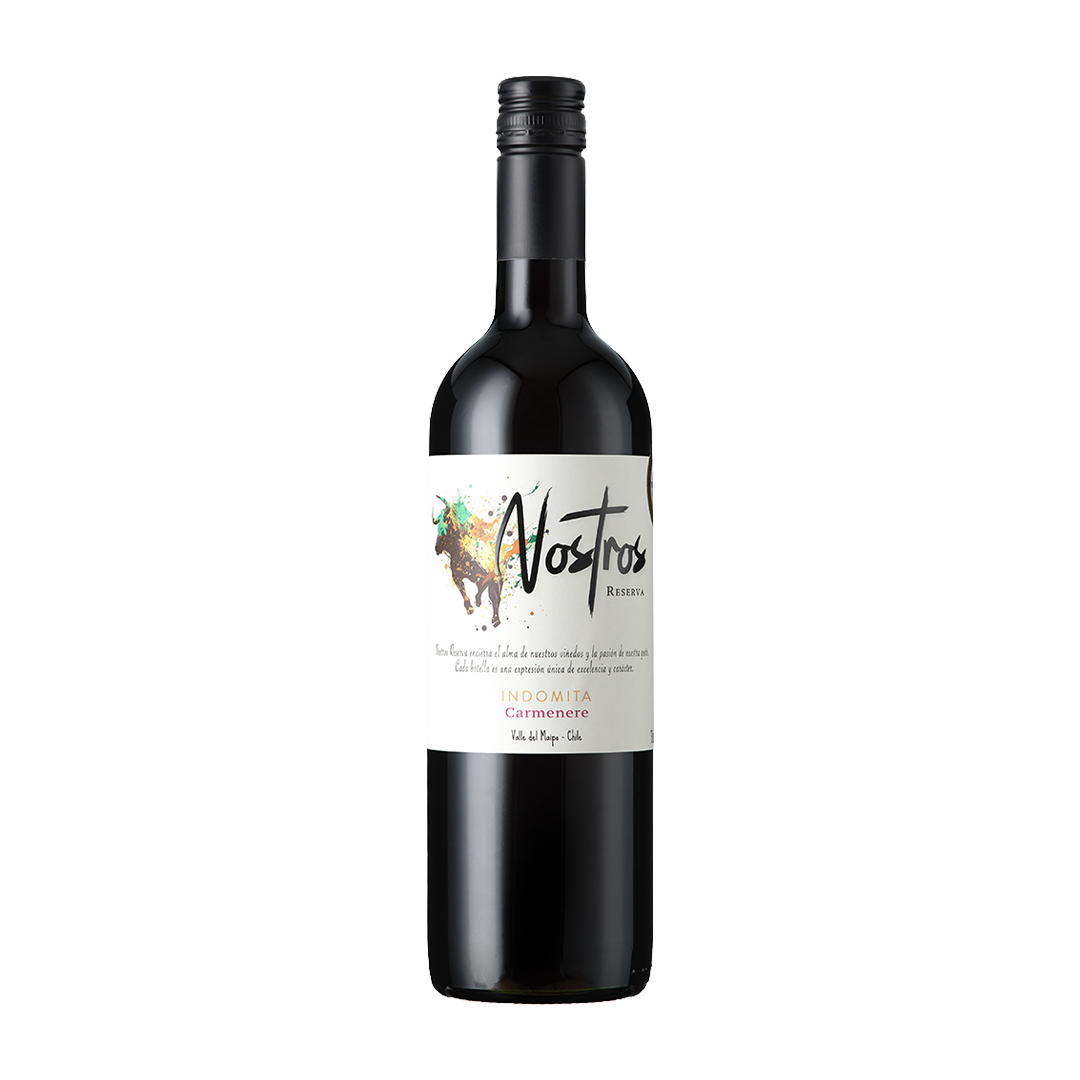
Carménère is Chile's own grape, and this is a textbook example. Inky red, nearly black, with wild red and black berries, a touch of truffle and a whiff of paprika, pepper and clove. Round and silky, as ripe Carménère should be, with a full, lingering finish.
Drink it with: roast chicken, game, a mushroom risotto or spicy East Asian dishes.
The Winemaking
85% Carménère with 15% Cabernet Sauvignon for backbone. Fermented traditionally in stainless steel at 28–29°C with 5–15 days' maceration. About 40% of the wine spends six months in French barriques (15% new) for a little spice and polish.
The Vineyards
Indómita's own vineyards in the Maipo Valley, on deep alluvial clay soils that give ripe, generous fruit.
The Producer
Viña Indómita is based in Casablanca, with vineyards from Casablanca to Maipo, Maule and Itata. Each grape goes where it grows best, and sustainability runs through the business, from water and energy use to local jobs.
The Details